implants

How Dental Implants Improve Chewing and Nutritional Health

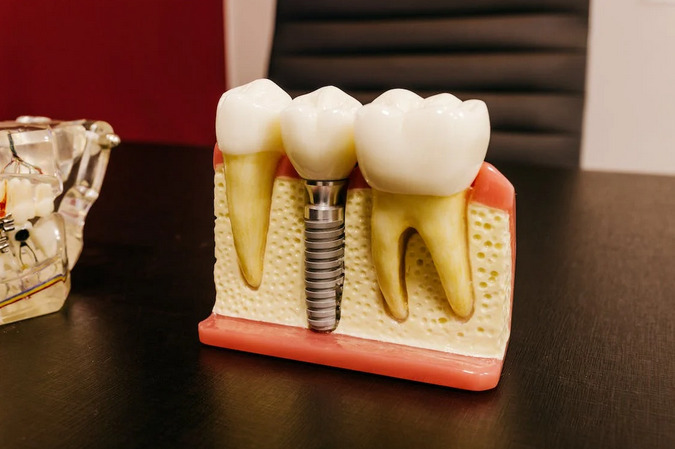
A dental implant is an artificial tooth root, usually made of titanium, designed to integrate naturally with the jawbone. They provide a stable foundation for crowns, bridges, or dentures. Unlike removable prosthetics, implants are fixed in place, which allows for better functionality. Their design closely mimics natural teeth, making them an effective solution for restoring both appearance and oral health. Dental implants London offer advanced treatment options for patients seeking a permanent solution to missing teeth. With skilled implant dentists and state-of-the-art technology, these services restore natural chewing function, improve nutrition, and enhance overall quality of life.

Understanding the Connection Between Teeth and Nutrition

Teeth play a direct role in the breakdown of food. Proper chewing initiates the digestive process and ensures nutrients are absorbed efficiently. Missing teeth can limit food choices, leading to a diet low in essential vitamins and minerals. Over time, this can contribute to poor overall health. Dental implants restore the ability to chew a wide range of foods, enabling a balanced diet. This is essential for maintaining energy levels, supporting immune function, and promoting tissue repair.

Restoring Natural Chewing Power

One of the main benefits of dental implants is their ability to replicate the strength and stability of natural teeth. They anchor securely in the jaw, allowing patients to bite with confidence. This makes it possible to enjoy foods that may be difficult to eat with dentures, such as nuts, fresh fruits, and lean meats. Restoring full chewing power is not only about comfort; it also ensures that food is broken down properly, aiding in digestion and nutrient absorption.

Preventing Bone Loss for Long-Term Oral Function

dentures

When a tooth is lost, the jawbone in that area begins to deteriorate due to a lack of stimulation. Over time, this bone loss can affect bite alignment and make chewing more difficult. Dental implants stimulate the jawbone in a way similar to natural tooth roots, preventing further deterioration. This helps maintain facial structure and ensures that chewing efficiency is preserved. The preservation of bone also supports surrounding teeth, reducing the risk of additional tooth loss.

Supporting a Diverse and Healthy Diet

Without a full set of functional teeth, many people tend to avoid certain foods, often replacing them with softer, processed alternatives. These substitutions can reduce dietary quality. Dental implants give patients the freedom to eat fibrous vegetables, protein-rich meats, and crunchy fruits, all of which are vital for long-term health. A diverse diet contributes to better gut health, stable blood sugar levels, and overall vitality. Having implants means no need to limit choices, allowing for a more unique and enjoyable eating experience.

Enhancing Confidence for Better Eating Habits

chewing

Chewing is not only a mechanical process. It is also a social one. People missing teeth often feel self-conscious about eating in public, which can lead to skipped meals or rushed eating. Dental implants restore the natural look of teeth, allowing people to enjoy meals with others without hesitation. This improvement in confidence encourages regular eating patterns, which are essential for steady energy levels and digestive health. The psychological boost from having a complete smile plays an indirect but important role in maintaining good nutrition.

Ensuring Long-Term Benefits for Overall Health

The link between oral health and overall health is well established. Poor chewing ability can contribute to digestive problems, malnutrition, and even an increased risk of chronic conditions. By restoring chewing function, dental implants help maintain the body’s nutritional balance. They also reduce strain on the jaw muscles and joints, preventing discomfort that can limit eating. For those who prioritize long-term wellness, implants are an investment in both dental and systemic health. When cared for properly, they can last decades, providing the utmost stability and function.

Dental implants do more than replace missing teeth. They restore the ability to chew effectively, which in turn supports better digestion and nutrient intake. This improvement impacts not only oral health but also overall well-being. By preserving jawbone structure, enabling a wider variety of food choices, and boosting confidence, implants help ensure patients can enjoy both the physical and social aspects of eating. With their durability and natural feel, they offer a unique solution for anyone seeking to improve both chewing efficiency and nutritional health for the long term.
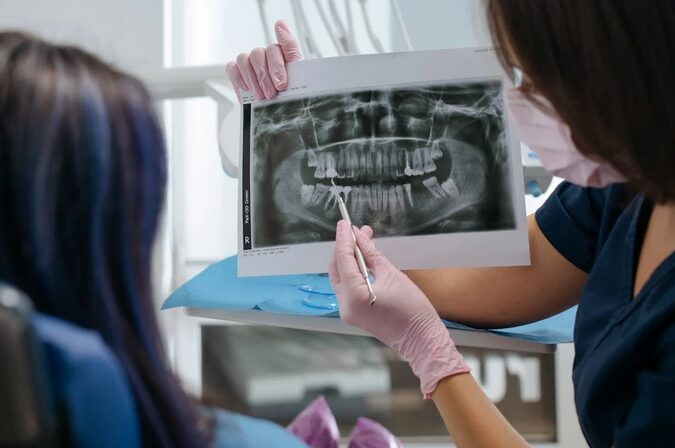

Top Reasons Dentists Suggest a Root Canal Procedure

When it comes to dental health, the thought of a root canal often brings anxiety. Many people envision pain and discomfort, but in reality, this common procedure can be a lifesaver for your teeth. Islington Dentist and hygienists, for instance, don’t recommend root canals lightly; there are solid reasons behind their advice. Understanding these reasons can help ease your fears and clarify why preserving your natural tooth is so vital. Let’s dive into some of the top reasons dentists suggest seeking a root canal treatment and what you need to know about each situation.

Infection or Abscess

An infection or abscess is one of the primary reasons dentists recommend a root canal. When bacteria invade the inner pulp, it can lead to severe pain and swelling. This infection often develops from untreated cavities or gum disease. Abscesses form when pus accumulates due to this infection. The pressure can result in throbbing discomfort that makes daily activities challenging. Ignoring these signs can lead to more serious health issues, including bone loss around the tooth roots. Dentists aim not only to relieve your pain but also to eliminate any harmful bacteria lingering within.

Severe Tooth Decay

Severe tooth decay is more than just a dental nuisance. It leads to significant damage if left untreated. Cavities can deepen over time, reaching the inner layers of your tooth. When decay progresses, it compromises the pulp—the soft tissue at the center—exposing you to pain and discomfort. You might notice increased sensitivity while eating or drinking hot and cold items. Ignoring these signs can result in larger issues down the road, including infections that could spread beyond the affected tooth. A root canal procedure may become necessary as a way to save your natural teeth and alleviate suffering. Addressing severe decay promptly not only preserves your smile but also protects overall health.

Pulpitis

pain

Pulpitis is an inflammation of the dental pulp, the innermost part of your tooth. This condition can cause significant discomfort and may require treatment to alleviate pain. There are two types: reversible and irreversible. Reversible pulpitis often occurs after minor irritation, such as a cavity or trauma. With proper care, the pulp can heal itself. Irreversible pulpitis, on the other hand, indicates more severe damage. It leads to intense pain that doesn’t subside and typically requires a root canal for relief. Symptoms include sharp pain when chewing or sensitivity to hot and cold temperatures.

Trauma

Dental trauma can happen in an instant. A sports accident, a fall, or even biting down too hard on something tough can result in significant damage to a tooth. When trauma occurs, the inner pulp may be affected. This is where nerves and blood vessels reside. If this area suffers injury, it often leads to inflammation and pain. Sometimes, the damage isn’t immediately visible. Teeth may appear fine externally but harbor underlying issues that could worsen over time. Ignoring these signs might lead to infection or further complications.

Persistent Pain or Sensitivity

Persistent pain or sensitivity in a tooth is often a red flag. It can indicate underlying issues that need immediate attention. When you experience discomfort while chewing or sensitivity to hot and cold, it’s more than just an annoyance. These symptoms may signal inflammation in the pulp, the innermost part of your tooth. Even mild pain shouldn’t be ignored. If left untreated, what starts as a small issue could escalate into something much worse. Continuous discomfort might mean bacteria are invading deeper tissues.

Root canal procedures may seem daunting, but they play a vital role in dental health. When faced with infection or abscess, severe tooth decay, pulpitis, trauma to the tooth, or persistent pain and sensitivity, this treatment can save a tooth from extraction and eliminate discomfort. Understanding these reasons helps demystify why dentists often recommend root canals. The goal is always to preserve your natural teeth while ensuring you remain pain-free. If you’re experiencing any of these symptoms or have concerns about your dental health, don’t hesitate to reach out to your dentist for advice tailored specifically for you.

white

Avoiding Tooth Sensitivity: Tips for Safe and Effective Teeth Whitening

Are you dreaming of a brighter, whiter smile? Teeth whitening can be a game-changer when it comes to boosting your confidence and enhancing your appearance. However, one common concern that many people have is tooth sensitivity. The last thing you want is to experience discomfort or pain while trying to achieve a dazzling smile. But don’t worry. In this blog post, we will share some valuable tips on how to avoid tooth sensitivity during teeth whitening. By following these safe and effective strategies, you’ll be able to achieve the bright smile you desire without any unnecessary discomfort. So, let’s dive in and discover how you can enjoy the benefits of teeth whitening while keeping sensitivity at bay.

Talk to a Dentist

When it comes to teeth whitening, consulting with a dentist is an essential first step. A dental professional specializing in teeth whitening Middlesbrough is the best person to assess your oral health and determine if you are a good candidate for teeth whitening treatments. They can also provide personalized recommendations based on your specific needs. During your consultation, the dentist will examine your teeth and gums to ensure they are healthy enough for whitening procedures. It’s crucial to address any existing dental issues before proceeding with teeth whitening, as certain conditions may increase the risk of sensitivity. Moreover, a dentist can guide you in choosing the most appropriate method of teeth whitening for your case.

Use Desensitizing Toothpaste

One of the most common side effects of teeth whitening is tooth sensitivity. This can occur when the bleach used to whiten your teeth seeps into the enamel and irritates the nerves inside. If you want to avoid this discomfort, using a desensitizing toothpaste before and after your whitening treatment can help. Desensitizing toothpaste works by blocking the tubules in your teeth that lead to the nerves, preventing any pain signals from reaching them.

They also contain ingredients like potassium nitrate or strontium chloride, which help soothe and calm sensitive tooth nerves. When choosing a desensitizing toothpaste, look for one that is specifically formulated for sensitive teeth. These types of toothpaste are designed to provide long-lasting relief from sensitivity caused by various factors, including whitening treatments.

Avoid Extreme Temperatures

When it comes to avoiding tooth sensitivity during teeth whitening, one important tip is to avoid extreme temperatures. Exposing your teeth to hot or cold foods and beverages can trigger sensitivity and discomfort. Hot drinks like coffee or tea can cause the enamel on your teeth to expand, leading to increased sensitivity. On the other hand, consuming ice-cold treats like ice cream or iced beverages can cause the enamel to contract suddenly, resulting in similar discomfort. To reduce the risk of tooth sensitivity, try opting for lukewarm or room-temperature drinks instead of extremely hot or cold ones. If you do indulge in a hot cup of coffee or an icy drink occasionally, use a straw to minimize direct contact with your teeth.

Maintain Good Oral Hygiene

Maintaining good oral hygiene is essential for overall dental health, and it becomes even more crucial when you are undergoing teeth whitening treatment. Brushing your teeth twice a day is non-negotiable. Use a soft-bristled toothbrush and fluoride toothpaste to clean your teeth and remove plaque buildup gently. Remember to brush all surfaces of your teeth and spend at least two minutes on each session. Flossing should also be an integral part of your daily routine. It helps remove food particles and bacteria from between the teeth that cannot be reached by brushing alone. Make sure to floss gently, using a back-and-forth motion rather than snapping it into place.

Taking steps towards achieving a whiter smile does not mean sacrificing comfort. With proper precautions such as consulting with your dentist, using desensitizing toothpaste, avoiding extreme temperatures, and maintaining good oral hygiene habits throughout the process – you can achieve those pearly whites without any unnecessary pain or discomfort. So go ahead: embrace confidence in every grin, knowing that you’ve taken all necessary measures to avoid tooth sensitivity during your journey towards sparkling white teeth.

screws

Understanding the Genetic Factors That Influence Dental Implant Success

While dental implant procedures boast an impressive success rate, there are instances where implants may not integrate well with the jawbone or experience complications down the line. This is where genetics come into play – determining bone quality, influencing immune system response, and even impacting wound healing processes. So let’s delve deeper into these fascinating genetic factors that influence the success rates of implants by the best Dental Practice Norwich. Buckle up for a journey through your genes – you might just discover something remarkable along the way!

Bone Quality and Quantity

One significant genetic factor that impacts dental implant success is the quality and quantity of the patient’s bone. Genes influence bone metabolism and density, which can affect the ability of the jawbone to integrate with the implant. Research suggests that individuals with genetic variations associated with low bone density or compromised bone healing may have a higher risk of implant failure.

Inflammatory Response

The body’s inflammatory response, determined by genetic factors, plays a vital role in the healing process following dental implant surgery. Some individuals may possess gene variants associated with excessive inflammation or poor tissue healing, increasing the risk of complications and implant failure. Genetic testing can identify these variations, allowing dentists to implement preventive measures, such as administering anti-inflammatory medications, optimizing oral hygiene practices, and closely monitoring the healing progress.

Immune System Response

The immune system’s response to foreign substances, including dental implants, is highly influenced by genetic factors. Specific genes control the immune system’s ability to tolerate or reject the implant materials. Variations in these genes can impact the patient’s immune response, affecting the integration and long-term stability of dental implants. By understanding an individual’s immune profile through genetic testing, dentists can personalize treatment plans and select implant materials that are more compatible with the patient’s immune system, minimizing the risk of complications and implant failure.

Collagen Formation and Wound Healing

Collagen, a vital component for tissue healing and wound repair, is influenced by genetic factors. Gene variations involved in collagen production, remodeling, and cross-linking can impact the healing process around dental implants. Individuals with genetic variations associated with impaired collagen synthesis may experience delayed or insufficient tissue integration, leading to higher failure rates.

While various factors influence dental implant success, understanding the role of genetics is becoming increasingly significant in personalized implant dentistry. Genetic factors such as bone quality and quantity, inflammatory and immune responses, and collagen formation play crucial roles in determining the success or failure of dental implants.

dentist

Exploring the Most Common Types of Dental Surgery

Are you considering dental surgery but feeling overwhelmed by the multitude of procedures available? Look no further as we delve into dentistry and explore the most common types of dental surgery. From wisdom teeth extraction to dental implants, prepare to unravel the mysteries behind these transformative procedures that can greatly enhance your oral health and overall well-being. Whether you’re a curious reader or someone needing guidance, join us on this enlightening journey as we uncover the fascinating realm of dental surgery.

Tooth Extraction

extraction

Tooth extraction is a common dental surgical procedure performed when a tooth is severely damaged, decayed, or impacted. It involves the removal of a tooth from its socket in the jawbone. Extractions may also be necessary for orthodontic purposes or to create space for dentures or dental implants.

Dentists typically use local anesthesia to numb the area before extracting the tooth, ensuring minimal discomfort for the patient. Following tooth extraction, proper aftercare instructions are provided to promote healing and prevent complications. Dental clinic in Stafford can offer you additional information on tooth extraction and aftercare.

Dental Implants

Dental implants are a popular and effective tooth replacement option for individuals with missing teeth. This surgical procedure involves the placement of a titanium implant into the jawbone, which acts as an artificial tooth root. Over time, the implant integrates with the bone, providing a stable foundation for a crown or bridge to be attached.

Dental implants offer numerous benefits, including improved chewing ability, enhanced aesthetics, and preservation of bone structure. The implant placement process may require multiple stages and healing periods, ensuring optimal success and long-term stability.

Wisdom Teeth Removal

removalWisdom teeth, also known as third molars, often emerge in late adolescence or early adulthood. However, due to limited space in the mouth, they can become impacted or grow at an angle, causing pain, infection, and potential damage to adjacent teeth.

Wisdom teeth removal is a surgical procedure to extract one or more problematic teeth. Oral surgeons evaluate the position and condition of the wisdom teeth using X-rays and then perform the extraction, often under local or general anesthesia. Prompt removal of impacted wisdom teeth can prevent complications and maintain optimal oral health.

Gum Surgery (Periodontal Surgery)

Gum surgery, also known as periodontal surgery, is performed to treat gum disease and restore the health of the gums and supporting tissues. It involves accessing the gum tissue and bone to remove bacteria, reduce pocket depths, and repair damage caused by periodontitis.

Gum surgery can involve procedures such as gingivectomy (removal of diseased gum tissue), gum grafting (replacing receded gums), and guided tissue regeneration (stimulating new bone and tissue growth). These surgeries aim to eliminate infection, reduce gum inflammation, and promote gum and bone reattachment, ultimately improving the overall health and stability of the teeth.

Jaw Surgery (Orthognathic Surgery)

jawOrthognathic surgery is a corrective procedure to address significant jaw irregularities affecting bite function, facial aesthetics, and speech. This surgical treatment involves repositioning the upper jaw (maxilla), lower jaw (mandible), or both to achieve better alignment and balance. Orthodontic treatment often precedes and follows orthognathic surgery to ensure optimal results. Jaw surgery can provide numerous benefits, including improved bite function, enhanced facial symmetry, and resolution of breathing difficulties associated with jaw abnormalities.



Dental surgery addresses various dental and oral health issues, ranging from tooth extraction to complex jaw realignment procedures. These surgeries are performed by skilled oral and maxillofacial surgeons and are tailored to meet each patient’s specific needs. By understanding the common types of dental surgery and their purposes, individuals can make informed decisions about their oral health and seek the appropriate treatments when necessary.

brush

Importance of Maintaining Good Oral Hygiene

Have you ever wondered why your dentist insists on maintaining good oral hygiene? It’s not just about having pearly whites and fresh breath, but it also significantly impacts your overall health. Neglecting oral hygiene can lead to serious health problems such as heart attacks, stroke, and diabetes. Aside from brushing and flossing daily, you should also regularly visit your dentist. It is known that dental practice Bristol is known to provide the highest quality care and treatment for patients. It would be best if you considered checking them out. Here, we’ll be discussing the importance of maintaining good oral hygiene and the benefits that come along with it.

Promotes Healthier Gums

oral

Healthy gums are the foundation of good oral hygiene. They act as a barrier against bacteria and other harmful substances that can cause tooth decay, gum disease, and other dental problems. Gum disease is a common condition that affects many people worldwide. It’s caused by plaque buildup on teeth, leading to inflammation of the gums. Maintaining good oral hygiene by brushing twice daily, flossing regularly, and visiting your dentist for check-ups helps keep your gums healthy. Brushing removes plaque from your teeth, while flossing removes food particles between them.

Prevents Tooth Loss

Maintaining good oral hygiene is not just about having a bright smile but also about preventing serious dental problems such as tooth loss. Tooth loss can be caused due to various reasons, from gum disease to tooth decay and injury. However, the most common reason for tooth loss is poor oral hygiene. When you don’t care for your teeth properly, plaque builds up on your teeth and gums, eventually hardening into tartar. Tartar buildup leads to gingivitis, which causes inflammation of the gums and can result in tooth loss if left untreated. Regular brushing and flossing are crucial in preventing plaque accumulation on your teeth which reduces the chances of developing gum disease.

Reduces Risk of Heart Attack

chestMaintaining good oral hygiene is important not only for a healthy mouth but also for overall health. Poor oral health can lead to various medical conditions and diseases, including heart disease. Studies have shown a connection between gum disease and heart disease. Gum disease is an infection of the gums caused by bacteria in plaque, which can cause inflammation and damage to the soft tissue and bone supporting the teeth. When left untreated, it can lead to tooth loss. However, the effects of gum disease are not limited to just your mouth. Periodontal bacteria can enter your bloodstream through bleeding gums, leading to inflammation in other parts of your body, such as the arteries. This inflammation increases the risk of developing cardiovascular diseases like stroke or heart attack.


Maintaining good oral hygiene is crucial for overall health and well-being. It helps keep our teeth and gums healthy and reduces the risk of developing diseases such as heart disease, stroke, and diabetes. Following a regular oral care routine can help prevent dental problems from arising. Good oral hygiene is not just about having clean teeth; it’s about caring for your entire body. So, prioritize your dental health by practicing excellent oral hygiene habits every day. Your smile – and your body – will thank you.

dairy

The Incredible Health Advantages Of Yogurt

Do you like homemade yogurt culture? If so, you’re in luck! Yogurt is a delicious and nutritious snack that offers a wide variety of health benefits. This blog post will discuss the many advantages of eating yogurt regularly. We’ll also provide some tips for incorporating more yogurt into your diet. So read on to learn all about the fantastic health benefits of yogurt!

High In Protein

If you want to increase your protein intake, yogurt is a great option. It contains several essential amino acids, which can help you build muscle and feel full for more extended periods. Depending on the type of yogurt you buy (Greek or regular), one serving may contain anywhere from nine to seventeen grams of protein.

Good For Your Digestive Health

berriesYogurt is a probiotic food containing beneficial bacteria that can help improve your digestive health. The probiotics in yogurt can help break down carbohydrates, proteins, and fibre, and they may also reduce the risk of certain diseases like diarrhea and constipation.

In addition to the probiotics, yogurt can help you lose weight. This is because it contains probiotics, beneficial bacteria that live in your gut and aid digestion. These good bacteria can also improve the immune system by fighting off infection-causing pathogens (bad microorganisms).

Strengthen Your Immune System

smoothiesAs we mentioned earlier, yogurt is a probiotic food. As such, it can help strengthen your immune system—the probiotics in yogurt work by fighting off infection-causing pathogens (bad microorganisms).

Additionally, the high calcium and vitamin D levels in yogurt also promote a healthy immune system. So if you are looking for a way to keep your immune system strong, try eating more yogurt.

Protection Against Osteoporosis

bowlOsteoporosis is a condition that affects the bones, causing them to become weak and brittle. One of the best ways to protect yourself from osteoporosis is to eat foods high in calcium and vitamin D. In fact, a single serving of yogurt can provide you with as much as forty percent of your recommended daily intake of calcium. This is important because calcium is essential for maintaining healthy bones.
Yogurt is an excellent source of protein, calcium, and other nutrients. It can also help boost your immune system and improve your digestive health. Consider adding yogurt to your diet for these incredible health benefits. If you’re not sure how to start, we have some tips for you. Try incorporating yogurt into breakfast or lunch recipes, eating it as a snack, or using it in place of sour cream or mayo on sandwiches and salads. No matter how you eat it, yogurt is a healthy addition to any diet. Thanks for reading!

dentists

How to Avoid Mistakes When Selecting a Dentist

Everyone needs the services of a dental professional who can give the greatest care. However, finding the most outstanding dentist Richmond is not always straightforward, so you must learn how to select the appropriate one. Although dental specialists may be found anywhere, choosing the incorrect one can result in poor treatment and poor value for money. You may use this link to choose a reputable dental clinic and avoid choosing one that will not assist you. The following are common blunders to avoid while choosing a dentist.

Not Examining the Most Recent Technology

checkupBecause dental technology is changing, the amount of technology employed by the dentist will determine whether or not you receive the finest treatment. You may inspect the offices to check that they have been equipped with cutting-edge technology.
When a dentist has such cutting-edge technology, it is a sign that they provide high-quality treatments. It is also an indication that they care about the quality of service they deliver to people. As a result, they can provide you with excellent service.

Having a Budget-Driven Selection

Before undergoing dental procedures, it is critical to evaluate your financial situation. It is because such invoices might be rather costly, depending on the techniques required. As a result, many individuals choose the cheapest dentist accessible, which shouldn’t be the case. Alternatively, to avoid paying for lower-quality dental procedures, look for a dentist facility that provides certain financing alternatives. You can afford pricey dental services by making delayed payments with the financing options.

Choosing a Dentist Far from Home

Location is essential when selecting a dental facility. Although basic dental procedures, such as checkups and cleanings, are not considered emergencies, there may be other oral difficulties or emergencies. For example, if the dentist is a considerable distance away, you may not be able to tolerate mouth or tooth discomfort for long. It is essential to have a treatment center close to home.

Failing to Verify a Dentist’s Credentials

dental healthWhen looking for a dentist, you should look into their education and certifications. You may get information about a dentist’s education and former patients’ feedback on the internet. The finest dentist or orthodontist should offer a variety of treatments.

You must confirm that they have a solid reputation and have received excellent feedback from prior patients. With this information, you may be confident that the professional will provide superior service. You can conduct some research to identify a clinic near you with well-trained personnel.

stressed woman

How to Improve Your Mental Health

If you want to live a healthy and happy life, you should ensure that you have good mental health. To some people, mental health is not that important and believing this can be dangerous to your well-being and those around you. So, what is mental health’? It is no surprise that many people have a hard time grasping what mental health is. Mental health deals with the emotions, social and psychological well-being of someone.

Mental health can relate to your thoughts and how you handle pressure from common life situations like work and family. As you now know what mental health is all about, you should strive to attain good mental health. Although it may sound easy, attaining good mental health will take some effort.

There are several crucial ways to maintain or improve mental health, and the article will mention a few. Below are some of the ways you can enhance your mental well-being.

Therapy

man and young man talkingIt is essential to note that therapy has been credited with assisting many people suffering from different forms of mental health issues. One of the mistakes that some people make regarding mental health is not taking action earlier. The earlier you seek help and guidance, the more chance you can attain good mental health.



A fully qualified therapist will have the required experience to help you improve your mental health. If you are yet to visit a therapist, you may be missing a lot. Some therapists specialize in helping people with various problems that can affect their mental wellness. It can be relationships, work problems, and also drug abuse. You may also be surprised to learn that mental health apps offer people online therapy sessions.

Exercise

Apart from therapy sessions, it is vital to note that being active will improve your mental health. Physical health is connected to mental health in so many ways. What will be good for you physically will also be beneficial for your mental state. Most people do not know that physical exercises are essential in enhancing mental health.

If you have not been going to the gym lately, you should up your game. Working out helps reduce conditions like stress, anxiety, and depression. It is also crucial to note that working out may also help you make more friends, which is good for your mental health.

If you would like to live a more fulfilling life, you should ensure that you have good mental and physical health. The information in the article will be crucial in helping you attain good mental health.

cosmetic surgeries

Various cosmetic surgeries that you should know

The time is moving fast and so is the world spinning around it. With the progressions in almost every field, we can see vast advancements in the field of beauty and fashion. To maintain their social circle and status, women never back down to opt new procedures which keep them on looking younger, fresher and more beautiful. Counting our study down to demographics, it can be easily observed that plastic and other cosmetic surgeries are quite a lot trending among the women fashion.

There is a variety of things a cosmetic surgery can do. It does tighten your skin and face muscles, improve your looks, adds or removes hair to your skin and much more. It just depends on the cosmetic surgery type you are opting for. Apart from use in fashion, cosmetic surgery is used by doctors for various medical treatments. It is used to replace a certain body part and to repair scars from surgery. Mentioned below are some of the very common cosmetic surgeries have a read.

Breast augmentation

Breast augmentation includes all the procedures which include the change in shape or size of the breasts. If you are going for the increase in the size of the breast, that procedure is mostly called as breast implant surgery. Breast lifts or breast reduction are some other procedures and do not exactly match the breast augmentation.

 cosmetic surgeries

Dermabrasion

This is a gentle procedure which is used for the improvement in the quality of skin by technically cutting down the upper layer of skin. As the healing procedure begins, the new layer of skin replaces the old one. This ends up by leaving the person with a smoother and fresher looking skin. It is mostly used to fix acne scars, age spots, sun-damaged skin, and wrinkles.

Facelift

A facelift is another type of cosmetic surgery for the skin. It is used to fix the sagging, broken, loose or wrinkled skin on the face. This includes many other processes to repair the skin which is mainly lifting of facial tissues, removal of rough skin and replacement of the skin by other contoured colors. This procedure automatically follows the neck lifts as a result.

Rhinoplasty

If you are thinking to repair or restructure your skin, rhinoplasty is the right skin treatment for you then. For the people who do the rhinoplasty, they mostly do it for the cosmetic reasons. Mostly do it for medical reasons if they are facing any sort of difficulty in breathing or other respiration problems.

 cosmetic surgeries

The common use of this procedure is to restructure your nose shape, amend the nose size, repair the problems caused as a result of any injury, improve the breathing problems and to narrow down the shape of the nostrils.

Lip augmentation

You will come across many of the celebrities who have done this surgery to reshape their lips. This is mostly done to increase the size of the lips to a look of fuller lips. This is done to increase the volume of the lips or to give them a different shape than the ordinary ones. Please note that this process is not permanent and the highest it lasts is six months. One has to go for the second procedure as well to keep it maintained.

menopause

Taking care of your health during menopause

With the advent of age, all women have to go through the menopausal stage. Also known as a “change of life”, it is something that comes naturally. Most of the time, females who reach their 40’s stop getting their monthly period. One who does not get her menstruation for a year is already considered menopause and she can no longer bear a child or give birth. This can affect a woman emotionally, mentally, and physically. Some of them even have to deal with depression.

So, how can a woman take care of her health during menopause? Read on and find out more.

Women’s health during menopause

Menopause can be a dramatic time in every woman’s life, and it may take a couple of years to get through. You can expect a lot of physiological and psychological changes. Hot flashes and mood swings are common. A female may feel irritable and depressed too.

 menopause

One of the biggest changes that occur in a female during this stage is that the estrogen level in her body decreases. There will be changes in the bones, hair, breasts, vagina, and urinary habits. The breasts will lose their firmness and start to sag. As for the vagina, you will notice thinning of its walls. Therefore, it loses its elasticity, and there will also be a decrease in lubrication. This results to a loose vagina.

How to take care of your body

Pamper yourself

Like what was mentioned earlier, the menopausal stage can bring stress and affect your mood. So, to keep the stress out of your mind, you should pamper yourself. You can go to the salon once in a while and get a new hairdo, have your nails done, get a massage or a foot spa.

Exercise

Another way to relieve stress is to exercise regularly. You can do a light workout, or you can also start practicing yoga as it is quite relaxing. You can go for aerobic exercises too which are good for your overall health.

To help you take care of your vaginal health, practice Kegel exercises every day. This type of workout will strengthen your vaginal walls and muscles.

Eat healthy foods

Eat healthy foodsFruits and vegetables are a must for everyone since they are rich in nutrients. You also need to make sure that you visit your doctor on a regular basis and use supplements if needed.